Livin on That Blue Collar Dollar Worker
As an experienced embroidery designer and product reviewer, I approach every new design with a mix of curiosity and skepticism. When I first opened the Livin on That Blue Collar Dollar Worker digital file, I was struck by its boldness and retro charm. This graphic is clearly crafted to celebrate the working-class spirit — it’s got that vintage flair with a modern punch. The layout is clean but expressive, and the typography feels just right for a quote-based design. Let me walk you through how this design holds up in real-world projects and where it might need some careful handling.
First Impressions and Visual Personality
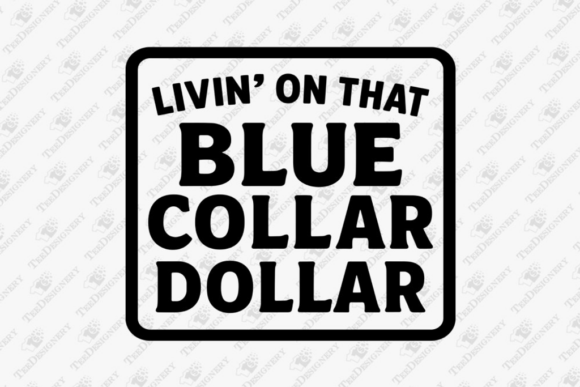
The phrase “Livin on That Blue Collar Dollar” immediately evokes a sense of pride and resilience. The design uses a stylized font that leans into 70s-era aesthetics — chunky letters with subtle curves and a bit of character. It's not overly intricate, which is a big plus for machine embroidery work. The visual weight is balanced between the text and the supporting graphics, making it adaptable across different applications without feeling cluttered or too sparse.
What stands out is the strong contrast between the colors used in the design. The retro palette includes muted blues, grays, and reds, which gives it a nostalgic yet timeless feel. If you're planning a custom apparel project, like a sweatshirt or tote bag, this design has the potential to be eye-catching while still being respectful of the garment's overall look.
A Natural Fit for Custom Apparel and Tote Bag Designs
This design screams practicality for items like t-shirts, hoodies, and especially tote bags. Its large, readable text makes it ideal for statement pieces that communicate a message. For example, imagine using it on a canvas tote for a small shop selling handmade goods — it adds a layer of authenticity and community connection that customers often respond to positively.
I also see great potential in using it as a sweatshirt embroidery piece. The size and style are suited well for larger formats, which helps the design maintain clarity even when viewed from a distance. The retro vibe pairs nicely with denim, cotton blends, and other natural fabrics commonly used in casual wear and craft items.
Performance in Real-Life Embroidery Projects
Let’s break down how the Livin on That Blue Collar Dollar Worker works across different mediums and materials:
- T-Shirts and Sweatshirts: The design looks sharp on cotton or cotton-polyester blends. It reads well at a glance and can become a signature piece for your craft business or boutique line.
- Embroidered Patches: The bold lines and clear shapes make it a good candidate for patch work. Just ensure the hoop size allows for full coverage and the stitch density isn’t too tight for the fabric thickness.
- Pillow Covers and Tea Towels: On home décor items, this design brings personality without overwhelming the space. It’s versatile enough to suit both farmhouse and urban-chic styles.
- Baby Clothes and Personalized Gifts: While the design itself is adult-oriented, it could be adapted with smaller sizing and softer thread colors for a more gentle take on the theme. However, I’d recommend caution here due to the detail level and possible stretch in baby garments.
- Holiday and Wedding Gifts: As a holiday gift idea, this design could be stitched onto aprons or mugs (with vinyl cutting) for a personalized touch. It resonates with themes of gratitude and hard work, which are often present in gift-giving during festive seasons.
One thing I noticed early on is that this design doesn’t rely on tiny lettering or ultra-fine details — which is great news for hobbyists and small shop owners who may not have high-end machines. It’s designed to be seen, not hidden.
Where to Use with Caution
While the Livin on That Blue Collar Dollar Worker is a solid choice for many embroidery projects, there are certain scenarios where you’ll want to proceed carefully:
- Small Hoop Sizes: The design is fairly large, so if you're working within tight hoop dimensions, consider scaling it down or selecting a portion of the graphic that still conveys the intended message.
- Textured or Stretchy Fabrics: Because of its retro-style outlines and fill areas, the design may struggle to hold shape on stretchy materials like spandex blends or on textured surfaces such as twill. A proper stabilizer is essential in these cases.
- Dark Fabric Backgrounds: The default thread color choices work best on light-colored backgrounds. Always check for visibility before stitching on darker materials — sometimes a white or cream satin stitch outline can help pop the design.
- Curved Surfaces: If you’re considering this for caps or curved surfaces, keep in mind that perspective distortion can affect the final appearance. Test it on a sample cap before mass production.
- Frequent Wash Items: Although the design is durable, dense stitch areas may wear over time if used on products that go through frequent washing, like aprons or tea towels. Be sure to test washability on a sample piece.
Visual Appeal and Customer Engagement
From a customer perspective, this design speaks volumes. It’s instantly recognizable and carries emotional weight. Whether it’s for a personal project or a commercial one, the visual appeal is high — especially in today’s market where nostalgia-driven designs are trending among Etsy sellers and boutique owners.
On handmade products, the design elevates the perceived value. It shows attention to detail and a thoughtful aesthetic. As a result, it can increase buyer engagement, particularly in niche markets like blue-collar-themed merchandise or retro-inspired fashion.
However, the effectiveness of the design hinges on the context. For instance, it wouldn’t fit well on a minimalist wedding gift unless reimagined in a subtler format. But in a craft fair product lineup or an Etsy listing for personalized gifts, it shines as a unique, conversation-starting item.
Professional Presentation and Brand Consistency
If you're running a craft business or creating branded merchandise, consistency is key. The Livin on That Blue Collar Dollar Worker fits neatly into a brand identity that values authenticity, simplicity, and a strong visual narrative. It’s easy to integrate into a cohesive line of products — think about pairing it with similar retro quotes or logos for a unified collection.
For digital embroidery file users, having a ZIP file for instant download is convenient. But always verify the compatibility with your software and machine before proceeding. If you're planning to sell finished products, double-check the licensing terms to avoid any legal hiccups later.
Designer Notes: Making It Work for You
Here are some quick tips based on my experience working with this design:
- Test on Scrap Fabric First: Especially if you're planning to scale it or change thread colors. See how the stitches lay and whether the design holds its form after washing.
- Check Thread Color Contrast: Use a black and white mockup to evaluate how visible the design will be on different background colors. Adjust thread shades if necessary.
- Review Stitch Density: Dense fill areas can cause puckering or stiffness. If you notice this in your test run, consider adjusting the stitch spacing or using a lighter-weight stabilizer.
- Confirm Hoop Size: Before loading the design into your machine, ensure you have the correct hoop size. If unsure, consult the documentation or reach out to the seller for specifics.
- Inspect Small Details: Even though this design isn’t ultra-detailed, always zoom in on the file to confirm alignment and clarity. Small misalignments can throw off the whole look.
- Use Proper Stabilizer: Depending on the fabric type, use either cutaway or tear-away stabilizers to prevent distortion and support the design during stitching.
- Compare Light and Dark Backgrounds: Try stitching the design on both types of fabric to see which gives the most impact. Sometimes a dark background can create a striking silhouette effect.
- Consider Commercial Use: Make sure the design license allows for resale of finished products or digital assets. This is crucial for commercial embroidery or digital product sellers.
Final Thoughts on Livin on That Blue Collar Dollar Worker
In short, the Livin on That Blue Collar Dollar Worker is a well-crafted machine embroidery design that hits all the right notes for bold, retro-style projects. It’s suitable for a wide range of items, including t-shirt designs, tote bags, and sweatshirts, and it can easily transition from a personal hobby project to a professional offering in a small shop product line.
But remember, no design is one-size-fits-all. Take the time to understand its limitations — especially when working with unconventional materials or small formats. With the right preparation, this design can become a staple in your creative arsenal, adding both visual and emotional value to your embroidery project portfolio.
So next time you're brainstorming a new batch of custom apparel or updating your design assets, consider how this graphic could bring a little grit and soul to your creations. It's not just a design; it's a story waiting to be stitched into something meaningful.