Every Achievement Brings You Closer to Success Embroidery Design Review
As an embroidery designer with years of experience under my needle, I've learned that a good design doesn’t just look great on screen—it has to perform well in real-world projects. When I first saw the Every Achievement Brings You Closer to Success machine embroidery design, it caught my attention with its motivational message and clean visual layout. But how does it hold up when applied to actual products? Let me walk you through my evaluation process as if I were preparing this for a custom sweatshirt order.
A Motivational Vibe with Subtle Sophistication
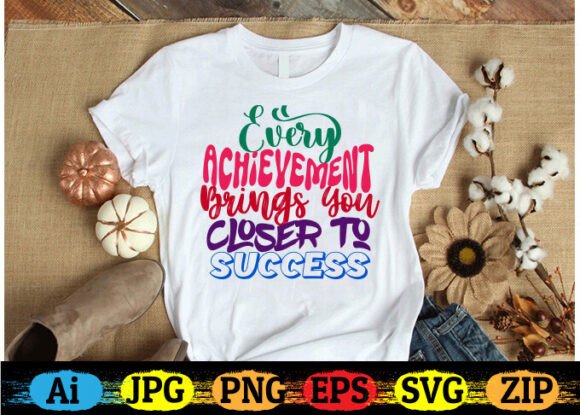
The phrase "Every Achievement Brings You Closer to Success" is delivered in a bold yet readable font style, making it ideal for both casual and professional wear. The design feels uplifting and purposeful, which immediately makes me think of using it for college apparel, boutique gym wear, or even personalized gifts like embroidered journals or patches for backpacks.
Layout-wise, the text is centered and balanced, with enough spacing between letters to avoid overcrowding. This helps maintain legibility after stitching, especially when considering different fabric types and hoop sizes. The lack of overly intricate flourishes or background graphics means it’s versatile and can be adapted easily into various themes—minimalist, sporty, or even luxury branding.
Real-World Application: Custom Sweatshirts for a Boutique Gym
Imagine a scenario where a local fitness brand wants to create a line of custom sweatshirts with a positive message. They’ve chosen this design because it aligns with their values of perseverance and growth. On paper, it looks promising, but the challenge lies in execution. The key factors to consider are stitch density, thread color contrast, and fabric compatibility.
- Satin Stitch Usage: The main text uses satin stitches effectively to give the words a smooth, polished look. This works best on medium-weight cotton blends commonly used in sweatshirts.
- Fill Stitch Elements: If there are any background elements (like subtle shapes or highlights), they should be checked for coverage without being too dense. Dense fill areas can pucker on stretchy or thin fabrics.
- Running Stitch Details: Any smaller decorative lines or accents would need to be tested for clarity and durability. These might not show up well on dark or textured materials.
For this project, I’d recommend using light gray or white thread on a navy or black sweatshirt for maximum contrast. A mid-sized hoop ensures the entire message fits neatly without distortion, while also allowing room for proper stabilizer placement.
Where It Shines—and Where to Be Cautious
This design excels on flat, medium-weight fabrics such as cotton tees, denim tote bags, and flannel shirts. It reads clearly from a distance and retains its shape well after washing, assuming the right stabilizer and thread tension are used. However, it's not without its limitations.
Best Suited For
- Tote Bag Designs: As a statement piece on a canvas or cotton tote bag, this design adds a meaningful touch for retail items or promotional giveaways.
- Sweatshirt Embroidery: Especially on crewnecks or hoodies, where a chest or back placement can make a strong impression without overwhelming the garment.
- Embroidered Patches: The design could be transformed into a patch for backpacks, jackets, or denim vests, maintaining clarity and simplicity.
- Etsy Listings & Craft Business Items: Its editable SVG and AI formats allow customization for different product lines, helping Etsy sellers and small shop owners maintain brand consistency across items.
Use with Caution on
- Small Hoop Sizes: The full phrase may require a larger hoop, so if you're working within tight space constraints, consider shortening or simplifying the layout.
- Textured Fabrics: On materials like corduroy or twill, the design may lose some of its crispness unless stitched with extra care and possibly reinforced with stabilizer.
- Stretchy or Thin Fabrics: Without proper backing, the design could distort or become less defined after repeated wearing or laundering.
- Dark Fabric Backgrounds: While possible, testing with light-colored threads is essential to ensure the message remains visible and impactful.
- Curved Surfaces Like Caps: The linear nature of the text may appear stretched or compressed depending on the curvature, requiring adjustment before final production.
Visual Appeal Meets Practicality
What stands out about Every Achievement Brings You Closer to Success is how it balances inspiration with functionality. It’s not just a graphic—it's a conversation starter. Whether it's on a handmade pillow cover or part of a commercial embroidery project, the design brings a sense of ambition and positivity that many customers resonate with.
In terms of customer trust and buyer engagement, this kind of messaging design can subtly enhance the perceived value of a product. People don’t just buy what looks good—they buy what makes them feel something. That said, if the stitching isn't clean or the colors don’t pop, the emotional impact fades. So precision matters here.
Handmade Presentation and Branding Consistency
For crafters and handmade shop owners, this design offers a consistent look that can be repeated across multiple products. It works particularly well in sets—for example, pairing it with matching aprons or tea towels for a cohesive home goods collection. The ability to edit in AI and SVG means you can tweak fonts, colors, or spacing to match your brand identity or seasonal themes.
If you're aiming for a minimalist aesthetic, keep the thread count low and use a single-color scheme. For a more vibrant effect, layer two or three shades of thread to add depth. Just remember, every choice affects the final finished product, and that’s where testing becomes essential.
Designer Notes for Real Project Use
Before sending this design to a client or using it in bulk, take these practical steps:
- Test on Scrap Fabric: Try stitching it on a sample of the intended material to check for puckering or distortion.
- Check Thread Color Contrast: Especially if using it on darker fabrics. Sometimes a high-quality JPG mockup won’t fully reveal visibility issues until you see it in person.
- Review Stitch Density: Dense stitch areas can cause stiffness or damage delicate textiles. Adjust as needed for comfort and flexibility.
- Confirm Hoop Size: If your hoop is smaller than expected, the design might get cut off or squeezed unnaturally. Always double-check.
- Inspect Small Details: Look at each letter closely. Are the corners sharp? Is there unnecessary detail that might not translate well to fabric?
- Test in Black and White Mockups: This will help you determine whether the design relies too much on color to convey meaning.
- Compare Light and Dark Fabric Backgrounds: See how it performs on both. Some designs work better in one context than the other.
- Use Proper Stabilizer: Especially important for lightweight or stretchy materials. Tack down the design well to prevent shifting during stitching.
- Confirm Licensing Before Selling: If you’re an Etsy seller or digital product creator, always verify the licensing terms before offering the finished product or design assets for sale.
Final Thoughts: A Solid Choice for Motivational Projects
The Every Achievement Brings You Closer to Success machine embroidery design is a reliable option for anyone looking to add a thoughtful message to their embroidery projects. Its straightforward approach avoids clutter while still delivering a powerful sentiment. That said, like all embroidery files, it requires careful consideration of fabric type, hoop size, and thread choices to truly shine.
Ideally suited for tote bag designs, custom apparel, and holiday gifts, this design bridges the gap between personal expression and commercial viability. It’s the kind of motif that can elevate a simple handmade product into something memorable and marketable.
If you're in the craft business, or planning a boutique branding campaign, this design could be a cornerstone of your lineup. Just remember to test it thoroughly and adapt it to fit your specific needs. After all, the best embroidery projects aren’t born from assumptions—they’re built through trial, observation, and a little bit of creative patience.